Show where the paint or joint has changed
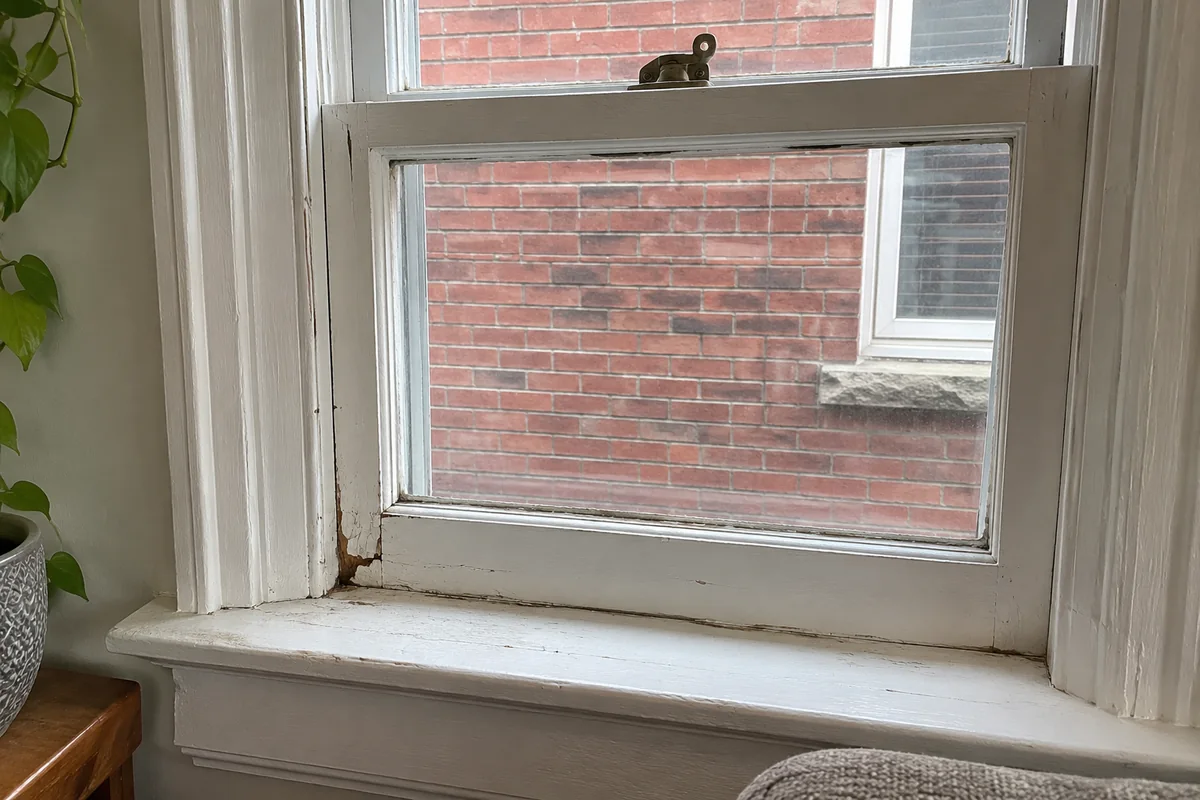
Take a close photo of the lower corner or patch of worn paint, then include one wider photo showing the entire window. Note whether the marks stay in one place or reappear after rain, cold nights or changes in indoor humidity. The sill, the moving sash and the glass are different parts. Showing where the change begins helps the glazier locate the question quickly.
Record how the window closes
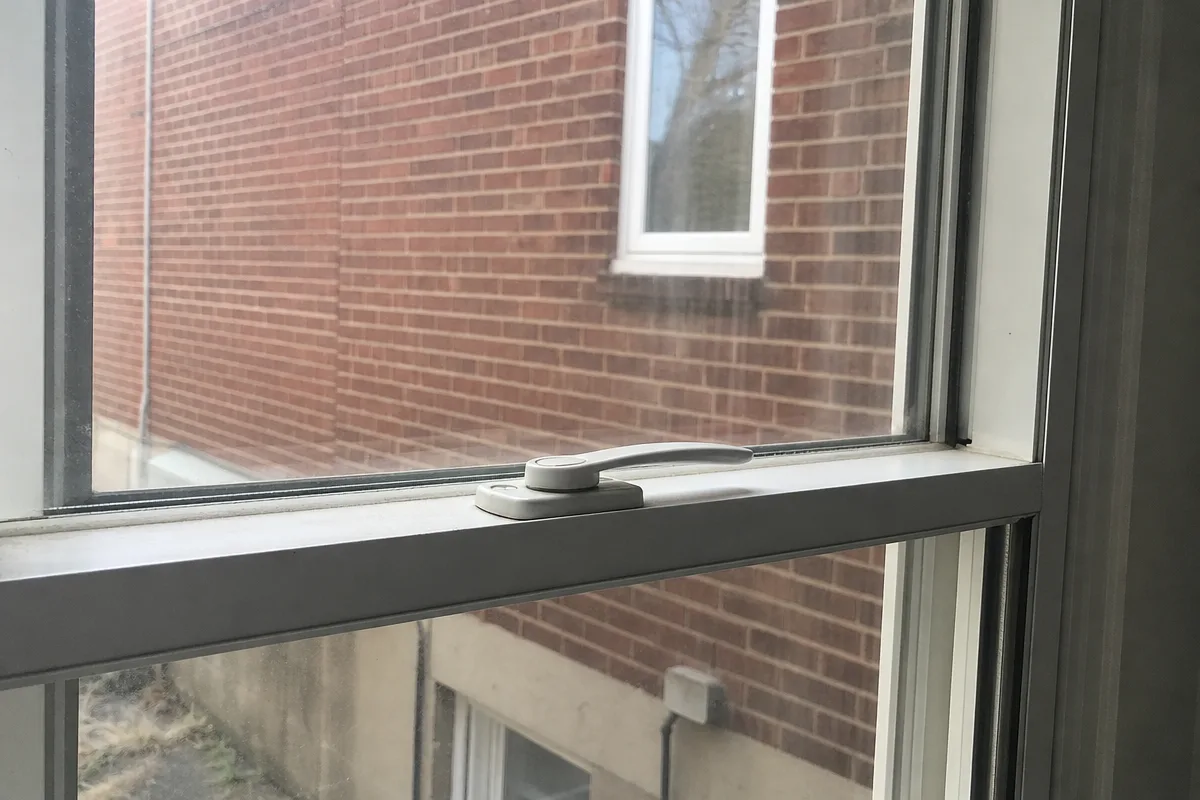
If the window still moves normally, say so. If it catches, latches unevenly or needs unusual pressure, describe where that happens. Leave a window that is stuck or unstable in its current position. A view of the gap near the latch and a photo of the lower rail can be more helpful than a close-up of paint alone, especially when the first question is whether the sash can be retained.
Have the estimate identify what stays
A glass-only scope and a full-window scope affect different parts of the opening. Ask the estimator to name the existing parts that can be kept and the ones that need a closer inspection. If the glass is foggy and the sill also shows wear, list both observations as separate items. That gives you a written record of what the proposed work addresses and what a site visit needs to confirm.
Sources
Prepared with AI assistance using the references above.