
Tempered vs laminated glass: two different safety strategies.

Tempered and laminated glass are both used to reduce injury risk, but they behave differently when broken. The correct choice depends on the opening, required performance and original glazing system.
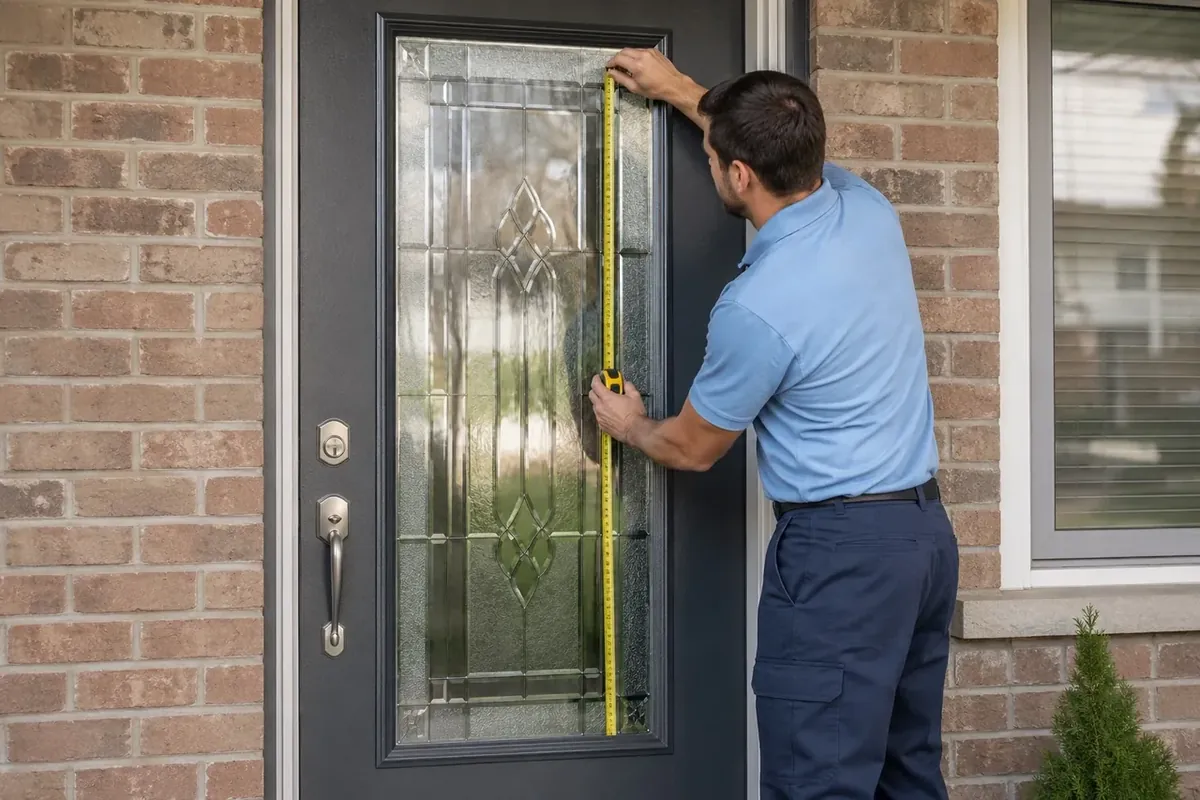
Start with the opening, then confirm the glass specification.
Tempered glass is heat-treated after cutting and edge work. When it breaks, it tends to fragment into many smaller pieces. Because it cannot be cut after tempering, exact size must be known before fabrication.
Tempered glass is heat-treated after cutting and edge work.
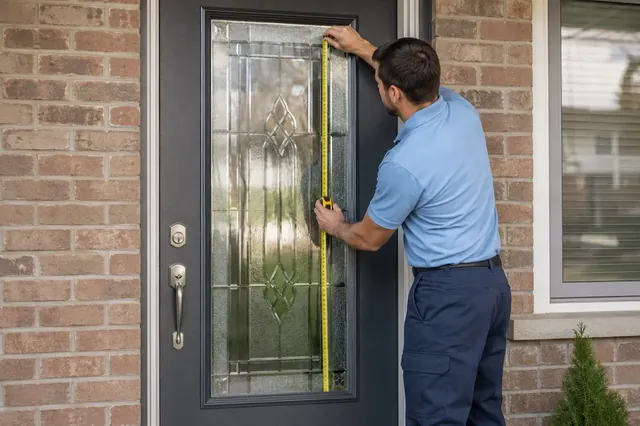
Exact dimensions, glass construction, frame condition and safe access are confirmed before custom material is ordered.
Thickness, size, holes or cut-outs, tint, insulated construction, required safety rating and fabrication lead time affect which product is appropriate and how it is priced.
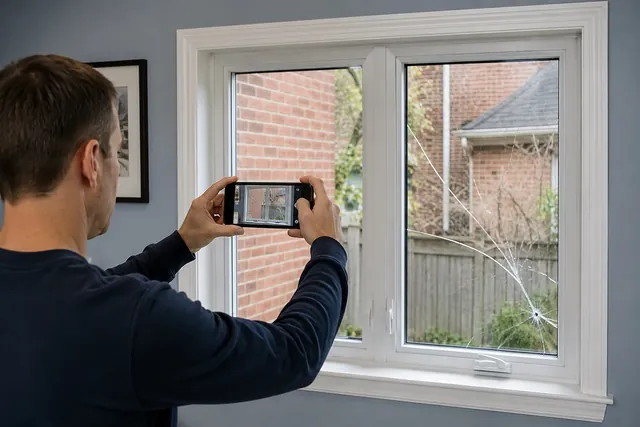
Send safe photos and rough size, use the existing online estimator for a planning range, or call if the opening is exposed.
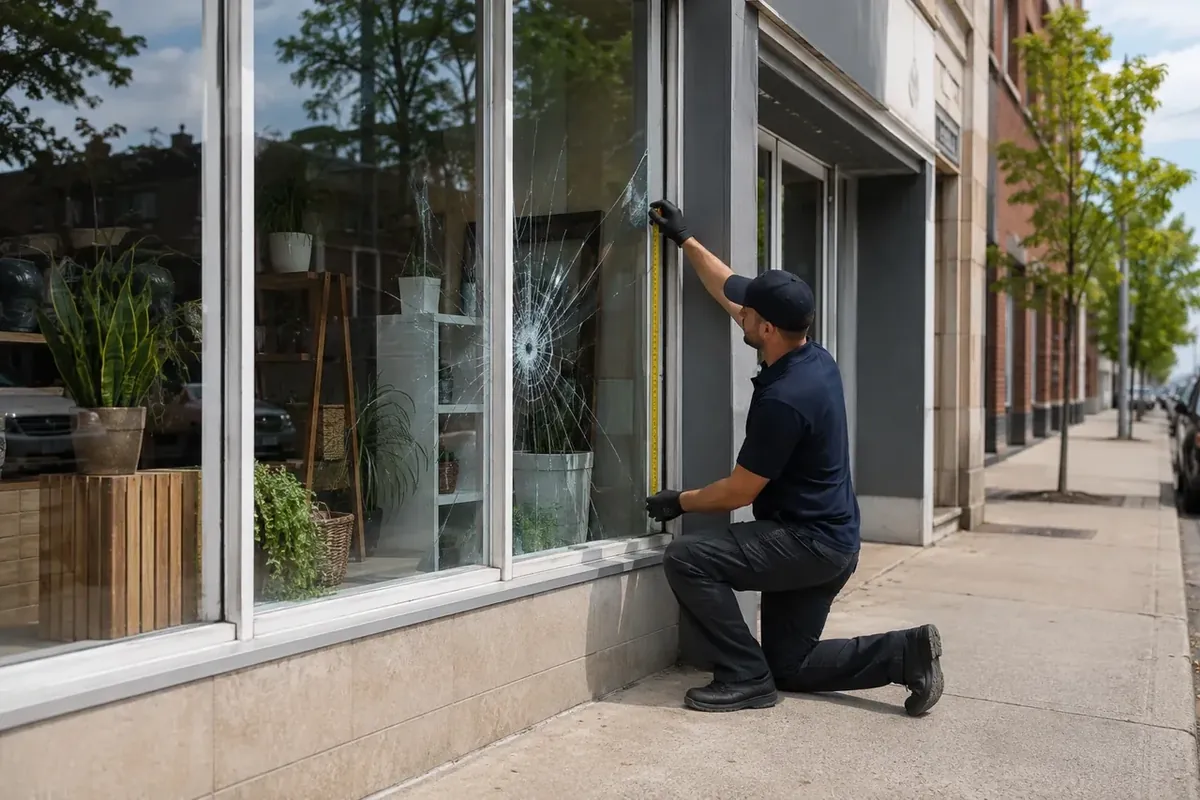
Tempered breaks differently; laminated holds fragments together
Laminated glass bonds glass layers to an interlayer. When broken, fragments tend to remain attached to that interlayer, which can help the opening stay together. Laminated glass is common where retention, security or specific safety performance is important.
Thickness, size, holes or cut-outs, tint, insulated construction, required safety rating and fabrication lead time affect which product is appropriate and how it is priced.
Do not identify safety glass by breaking a sample or removing a corner from the opening. Look for markings and let the installed location/specification guide the review.
From first photo to measured replacement.
Glass work is often custom. The first conversation should identify the problem well enough to choose the next step; the final order is based on verified conditions.
Start with the whole window, door, storefront or glass panel rather than only the damaged spot.
Rough size is useful for planning; exact dimensions are verified before ordering.
Floor level, exterior approach and obstacles can change labour and handling requirements.
Tempered, laminated, Low-E and insulated glass should be confirmed rather than guessed from appearance alone.
Photos should explain the whole opening.
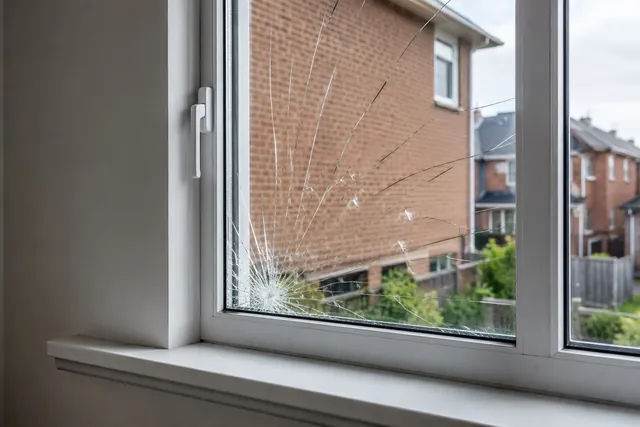
Wide views help identify framing and access. Close views help identify the failure. These images are service-reference photography and are not presented as a portfolio of specific Glass Rescue jobs.
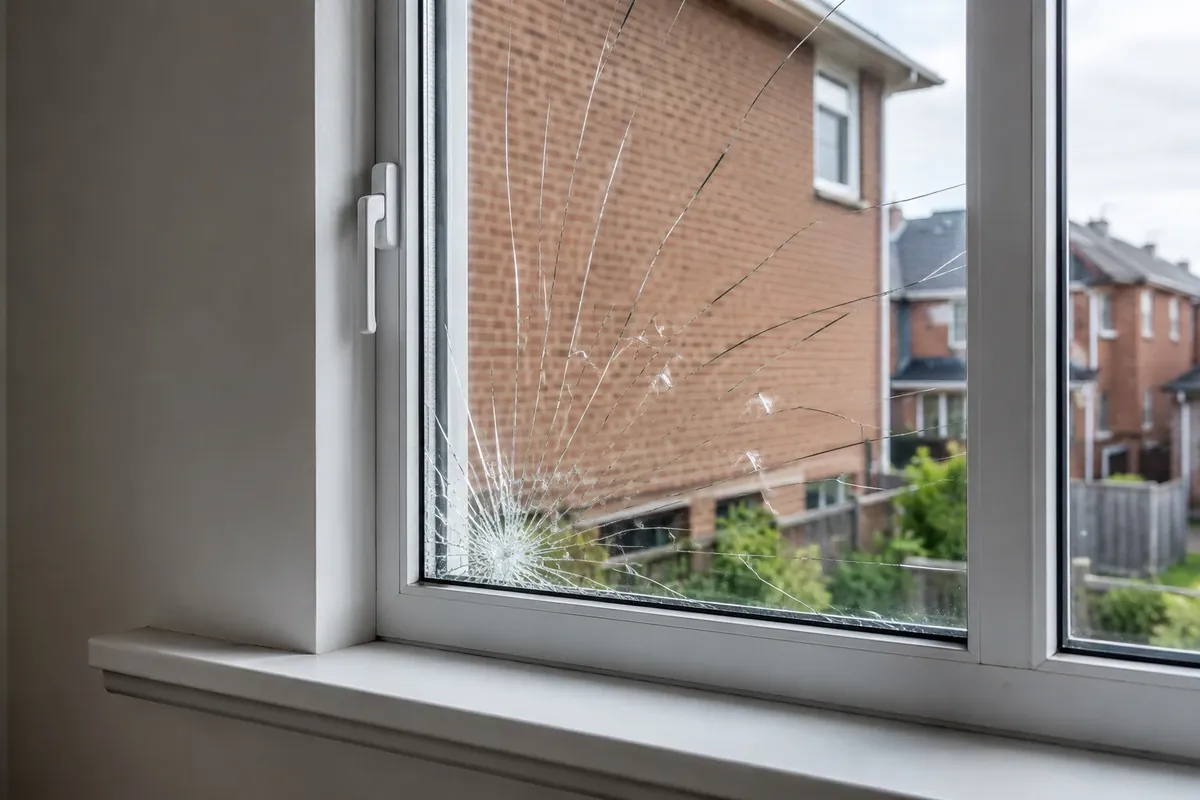
What can change the final quote?
Thickness, size, holes or cut-outs, tint, insulated construction, required safety rating and fabrication lead time affect which product is appropriate and how it is priced.
- Exact measurements and glass construction
- Condition of the existing frame or sash
- Safe access and handling route
- Urgency, temporary protection and fabrication lead time
What to send before a measurement.
Send a full-view photo, a close-up of the problem, the postal code, rough width and height when safe, and a photo showing stairs, balcony, storefront sidewalk or other access condition. If the glass is loose or exposed, say that first.
For foggy insulated units, show the whole sash and any grid pattern. For doors, show the complete door and retainer. For storefronts, include the whole elevation and entrance. Final dimensions are verified before custom glass is ordered.
Answers for this tempered vs laminated glass request.
Is tempered glass stronger than laminated glass?
They are different products with different failure behaviour. “Stronger” is not a sufficient way to choose between them.
Can tempered glass be drilled after tempering?
No. Holes and edge work must be completed before the tempering process.
Does laminated glass stay in the opening when broken?
The interlayer is designed to retain fragments, although the damaged assembly still requires safe replacement.
Which is used in storefronts?
Storefronts can use different safety-glass types depending on the opening and requirements. Existing specification and intended performance should be reviewed.
Send the opening, damage and location.
Use the existing Glass Rescue estimator for a planning range, or call (365) 990-2755 when you need the problem reviewed directly. Estimate technology may be referenced as powered by GlassQuote.ca; Glass Rescue remains the local service brand.
Glass Rescue · installation and replacement
Request a glass estimate
Tell us what you need and your location. We’ll review the specification and contact you about this request. You can upload photos with your request.
Glass, site measurement and installation are reviewed for the existing opening. A request does not confirm an order or appointment.