Why Clear Details Matter When Replacing a Chipped Tabletop
When you contact Glass Rescue to replace a chipped glass tabletop, providing clear and precise information helps ensure the new glass fits perfectly and meets your expectations. Glass is not just glass; it varies by thickness, edge finish, and sometimes coatings. For example, the thickness affects durability and weight, while edge treatments influence safety and appearance. Sharing these details upfront prevents delays and costly errors.
Key Information to Share About Your Glass Tabletop
Start by measuring the finished dimensions of your tabletop—length, width, and thickness. Note any existing edge treatments such as polished or beveled edges. If your glass has any coatings or special surface treatments, mention those too. Also, indicate whether the glass is used indoors (like in your basement) or outdoors, as this affects the type of glass recommended. If the glass has holes or cutouts for hardware, provide their exact size and location.
How to Describe Your Chipped Glass to Glass Rescue
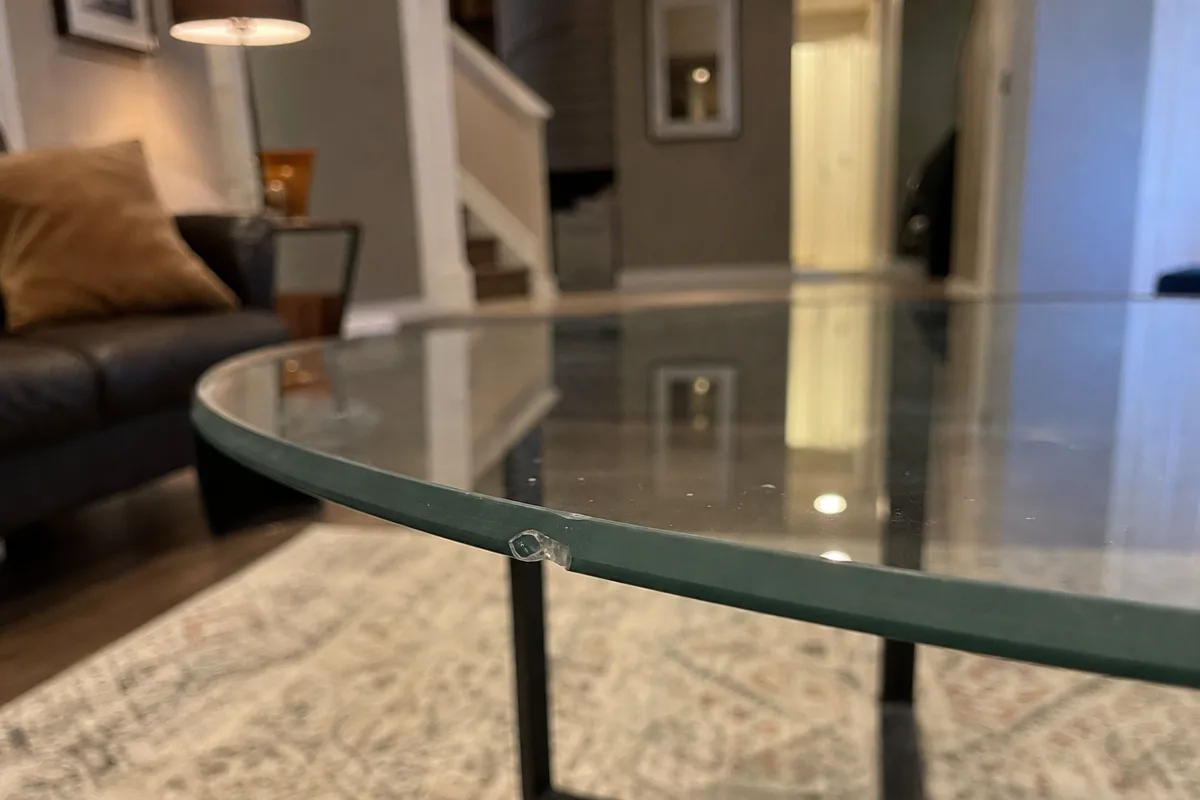
Describe the chip’s location and size clearly—whether it’s near the edge or in the centre, and how big the damage is. Taking a photo from above that shows the chip and the entire tabletop can be very helpful. This visual, combined with your measurements and notes, allows Glass Rescue to advise on whether a full replacement or a repair is best. Remember, avoid assumptions about field modifications; precise specs help the glazier prepare the right glass piece.
Sources
Prepared with AI assistance using the references above.